
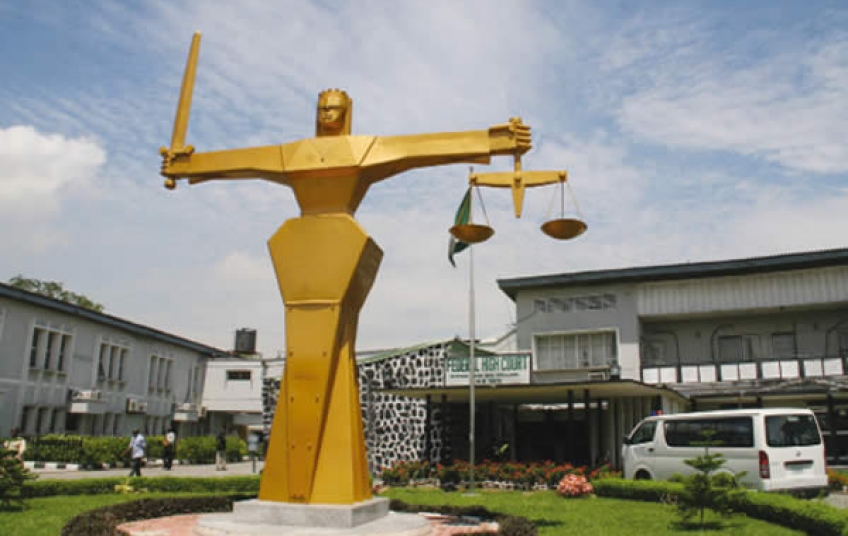
The Nigerian legal system, while robust and comprehensive, faces numerous challenges that hinder its efficiency and effectiveness. These challenges affect the delivery of justice, the protection of rights, and the overall confidence in the legal framework. Here are some of the key challenges:
- Corruption
Corruption is one of the most significant challenges in the Nigerian legal system. It undermines the rule of law, erodes public trust, and hampers the fair administration of justice. Bribery, influence peddling, and other corrupt practices are prevalent, affecting all levels of the judiciary and law enforcement agencies.
- Inefficiency and Delays
The Nigerian legal system is notorious for its slow pace. Cases can take years, or even decades, to resolve due to a backlog of cases, insufficient judicial personnel, and outdated administrative processes. These delays can result in prolonged detention for individuals awaiting trial and discourage foreign and local investment.
- Lack of Access to Justice
Many Nigerians, particularly those in rural areas, lack access to legal services. Factors such as poverty, illiteracy, and geographical barriers make it difficult for individuals to seek legal redress. Additionally, the cost of legal representation is prohibitively high for many, further limiting access to justice.
- Inadequate Infrastructure
The legal system suffers from inadequate infrastructure, including insufficient courtrooms, outdated technology, and poorly maintained facilities. This not only hampers the efficiency of judicial proceedings but also affects the morale of judicial officers and staff.
- Insufficient Training and Resources
Many legal professionals in Nigeria do not receive adequate training or have access to necessary resources. Continuous legal education and professional development opportunities are limited, affecting the quality of legal services provided. Furthermore, law enforcement agencies often lack the necessary tools and training to effectively investigate and prosecute cases.
- Political Interference
Political interference in the judiciary undermines its independence and impartiality. This can manifest in various ways, such as the appointment and removal of judges based on political considerations, pressure to deliver favorable judgments, and manipulation of legal processes for political gain.
- Legislative Gaps and Outdated Laws
Some Nigerian laws are outdated and no longer reflect current realities. Legislative gaps and ambiguities can lead to inconsistent interpretations and applications of the law. Efforts to reform and update laws are often slow and met with resistance.
- Human Rights Violations
The Nigerian legal system has been criticized for failing to adequately protect human rights. Issues such as police brutality, arbitrary arrests, and detention without trial are prevalent. The lack of effective mechanisms to hold violators accountable further exacerbates the problem.
Conclusion
Addressing the challenges of the Nigerian legal system requires a multifaceted approach, including reforms to combat corruption, improve efficiency, enhance access to justice, and ensure the independence of the judiciary. By tackling these issues, Nigeria can build a more effective legal system that upholds the rule of law, protects rights, and fosters public confidence.